Playmaster

guide to Men's Fashion
Uncategorized

Men’s Fashion: A Guide to Looking Stylish Every Day

Fashion is not just about wearing expensive clothes or following the latest trends. It is a way of expressing personality, confidence, and individuality. Men’s fashion has evolved significantly over the years, offering a wide variety of styles suitable for different occasions, lifestyles, and preferences. Whether someone prefers a casual look or a formal appearance, understanding the basics of fashion can help create a wardrobe that looks good and feels comfortable. One of the most important aspects of men’s fashion is choosing clothes that fit properly. Even the most expensive outfit can look unattractive if it does not fit well. A well-fitted shirt, pair of trousers, or jacket enhances the overall appearance and creates a polished look. Men should pay attention to shoulder seams, sleeve lengths, and trouser lengths when selecting clothing. Comfort and fit should always come before trends. Casual fashion is one of the most popular styles among men. It is comfortable, practical, and suitable for everyday activities. A simple combination of jeans and a t-shirt can create a stylish outfit when the colors and fit are chosen carefully. Polo shirts, casual shirts, hoodies, and sneakers are also excellent options for creating relaxed yet fashionable looks. Neutral colors such as black, white, navy blue, and grey are versatile and can easily be mixed and matched. Formal fashion plays an important role in professional and special-event settings. A well-tailored suit remains one of the most timeless pieces in men’s fashion. Navy blue, charcoal grey, and black suits are considered classic choices. Pairing a suit with a crisp dress shirt, polished shoes, and a matching tie creates a sophisticated appearance. Accessories such as watches, cufflinks, and pocket squares can add an extra touch of elegance without being overly flashy. Smart casual fashion has become increasingly popular because it combines the comfort of casual clothing with the sophistication of formal wear. A blazer paired with chinos and a button-down shirt is a great example of smart casual style. This look works well for business meetings, dinner dates, and social gatherings where a full suit may feel too formal. Loafers and clean sneakers can both complement smart casual outfits depending on the occasion. Color coordination is another essential part of men’s fashion. Understanding how colors work together can significantly improve an outfit. Neutral colors are generally safe choices because they pair well with almost anything. Men who want to add more personality to their outfits can incorporate brighter colors through shirts, jackets, or accessories. However, balance is important. Too many bold colors in one outfit can appear overwhelming. Footwear is often overlooked, but it can make a major difference in overall style. Different occasions require different types of shoes. Sneakers are perfect for casual wear, while loafers provide a more refined appearance. Formal occasions typically call for dress shoes such as Oxfords or Derbies. Keeping shoes clean and well-maintained is just as important as selecting the right pair. 1 Accessories help complete an outfit and showcase personal style. Watches are among the most popular accessories for men because they are both functional and fashionable. Belts should generally match the color of the shoes, especially in formal settings. Sunglasses, bracelets, rings, and hats can also enhance an outfit when used appropriately. The key is moderation. Too many accessories can distract from the overall look. Seasonal fashion requires adjustments to clothing choices throughout the year. During summer, lightweight fabrics such as cotton and linen help keep the body cool and comfortable. Shorts, polo shirts, and breathable sneakers are common warm-weather choices. In winter, layering becomes important. Jackets, coats, sweaters, scarves, and boots not only provide warmth but also create stylish and versatile outfits. Fabric selection has a significant impact on comfort and appearance. Cotton is widely appreciated for its softness and breathability. Linen is ideal for hot weather due to its lightweight nature. Wool is commonly used in winter clothing because of its insulating properties. Understanding different fabrics allows men to make better purchasing decisions based on climate and intended use. Fashion trends change regularly, but personal style remains timeless. While it can be fun to experiment with current trends, men should focus on building a wardrobe that reflects their personality and lifestyle. Classic pieces such as well-fitted jeans, white shirts, navy blazers, and leather shoes never go out of style. These essentials can serve as the foundation of a versatile wardrobe. Confidence is perhaps the most important element of fashion. Clothing can enhance appearance, but confidence determines how an outfit is presented. Men who feel comfortable and confident in their clothing naturally appear more stylish. Fashion should never feel forced or uncomfortable. Instead, it should help individuals express themselves and feel their best. Building a good wardrobe does not happen overnight. It requires thoughtful purchases and a focus on quality rather than quantity. Investing in durable, versatile pieces often provides better value than constantly buying inexpensive trend-driven items. Over time, a carefully selected wardrobe becomes easier to manage and offers countless outfit combinations. In conclusion, men’s fashion is about more than simply following trends. It involves understanding fit, color coordination, fabric choices, footwear, and accessories while maintaining a sense of personal style. Whether dressing casually, formally, or somewhere in between, the goal is to create outfits that are comfortable, appropriate, and confidence-boosting. By focusing on timeless principles rather than temporary fads, any man can develop a stylish and practical wardrobe that suits his needs and personality.  

knowledge about Fitness and exercise
Uncategorized

Fitness and exercise : A Lifestyle for Better Health

Fitness for a Healthy Lifestyle: The Complete Guide to Physical and Mental Well-Being Meta Description: Discover how fitness improves physical health, mental well-being, and daily productivity. Learn practical tips on exercise, nutrition, and recovery for a healthier lifestyle. Focus Keywords: fitness, healthy lifestyle, physical fitness, exercise benefits, mental health, nutrition and fitness Introduction: What Does Fitness Really Mean? Fitness is more than having a muscular body or spending hours at the gym — it’s a way of living that keeps people healthy, active, and energetic. In today’s fast-paced world, many people spend most of their day sitting at desks, scrolling on mobile phones, or watching television. This sedentary lifestyle often leads to health problems like obesity, chronic stress, and low energy levels. Understanding the true meaning of fitness — and building sustainable habits — helps prevent these issues and dramatically improves overall quality of life. Being fit means having the strength, endurance, flexibility, and mental well-being needed to handle daily activities efficiently. Fitness isn’t reserved for athletes or bodybuilders. Anyone, regardless of age or profession, can work toward becoming healthier and more active. 1. The Physical Health Benefits of Fitness One of the biggest benefits of regular exercise is improved physical health. Working out strengthens muscles, bones, and joints, helps maintain a healthy body weight, and reduces the risk of serious conditions such as diabetes, high blood pressure, and heart disease. Physical activity also boosts blood circulation, ensuring that oxygen and nutrients reach every part of the body efficiently. 2. Fitness and Mental Health: A Powerful Connection Fitness isn’t only about the body — it’s deeply connected to mental health. Exercise triggers the release of endorphins, the brain’s natural mood-boosting chemicals that help reduce stress and anxiety. For people dealing with anxiety, depression, or everyday emotional challenges, activities like walking, running, cycling, or yoga can promote a calmer, more positive mindset. 3. Types of Exercise for a Balanced Fitness Routine A well-rounded fitness plan usually combines several types of exercise: Cardiovascular exercise — jogging, swimming, cycling, and brisk walking to strengthen the heart and lungs Strength training — weightlifting and bodyweight workouts to build muscle and increase overall strength Flexibility training — stretching and yoga to improve mobility and lower the risk of injury Combining these three categories creates a balanced, sustainable fitness routine suited to long-term health. 4. Why Nutrition Matters as Much as Exercise Exercise alone isn’t enough to achieve good health — nutrition plays an equally crucial role in fitness. The body needs the right nutrients to function properly and recover after physical activity. A healthy diet should include: Fresh fruits and vegetables Whole grains Lean proteins Healthy fats Plenty of water for proper hydration Staying hydrated supports nearly every bodily function and directly improves exercise performance. 5. You Don’t Need a Gym to Get Fit A common myth is that fitness requires an expensive gym membership or a complicated workout plan. In reality, fitness can start with simple, free activities such as taking the stairs instead of the elevator, walking daily, or doing basic bodyweight exercises at home. Consistency matters far more than intensity, especially for beginners just starting their fitness journey. 6. Setting Realistic Fitness Goals Staying motivated is easier when goals are specific, measurable, and achievable. Some people want to lose weight; others aim to build muscle, boost endurance, or simply feel healthier day to day. Tracking progress — through a journal, app, or wearable device — provides motivation and helps people stay committed to their fitness goals over time. 7. The Importance of Rest and Recovery Rest and recovery are often overlooked, but they’re essential to any fitness plan. The body needs time to repair and strengthen itself after exercise, and quality sleep plays a major role in muscle recovery and overall health. Overtraining without adequate rest can lead to fatigue, injury, and reduced performance — so balancing workouts with proper recovery time is key to long-term progress. 8. Fitness Boosts Productivity and Focus Regular physical activity doesn’t just improve your body — it sharpens your mind. People who exercise consistently often report higher energy levels, better concentration, and stronger time-management skills. Exercise increases blood flow to the brain, enhancing cognitive function and decision-making — a major benefit for students and busy professionals alike. 9. The Social Side of Fitness Fitness activities also create opportunities for social connection. Joining a sports team, fitness class, or running group allows people to meet others and build supportive relationships. Working out alongside others increases motivation and makes exercise more enjoyable, while a sense of community helps people stick to their fitness goals long-term. 10. How Technology Supports Modern Fitness Fitness apps, smartwatches, and online workout programs have made staying active more accessible than ever. These tools help users track progress, discover new exercises, and stay accountable. That said, technology is only a tool — real, lasting results still depend on personal commitment and consistent effort. 11. Fitness Is a Lifestyle, Not a Quick Fix Many people start exercising with enthusiasm but lose motivation within a few weeks. Sustainable fitness habits are built gradually, through consistent effort and patience — not extreme, short-term challenges. Small daily choices, like eating healthier foods and staying active, add up to significant long-term improvements. 12. Fitness at Every Age Fitness has no age limit. Children benefit from stronger bones and better coordination through play and exercise. Adults maintain energy and long-term health through regular activity. Older adults can improve balance, flexibility, and independence with age-appropriate fitness routines — proving that it’s never too late (or too early) to start. Conclusion: Make Fitness Part of Your Everyday Life Fitness is an essential part of a healthy, fulfilling life. It benefits both body and mind — helping people manage stress, maintain good health, and improve overall well-being. Achieving fitness doesn’t require perfection or extreme effort; it simply requires consistency. By making regular exercise, balanced nutrition, and adequate rest part of your daily routine, you can enjoy the lasting rewards of a fit,

Uncategorized

Healthy Food: A Simple Path to Better Living

Healthy food is often associated with strict diets, expensive ingredients, and complicated meal plans. However, the reality is much simpler. Healthy eating is about choosing foods that nourish the body, provide energy, and support overall well-being. It is not about perfection or completely avoiding your favorite treats. Instead, it is about creating balanced habits that can be maintained for a lifetime. The food we eat has a direct impact on how we feel, think, and perform throughout the day. A nutritious diet helps maintain a healthy weight, supports the immune system, improves mood, and reduces the risk of many chronic diseases. While modern lifestyles often encourage convenience and fast food choices, making healthier decisions can significantly improve quality of life. One of the most important aspects of healthy eating is balance. Our bodies require a variety of nutrients to function properly. These nutrients come from different food groups, including fruits, vegetables, whole grains, proteins, and healthy fats. Each group plays a unique role in supporting health. Fruits and vegetables are often considered the foundation of a healthy diet. They are rich in vitamins, minerals, antioxidants, and fiber. These nutrients help protect the body from illnesses and support vital functions such as digestion and immune health. Eating a colorful variety of fruits and vegetables ensures that the body receives a wide range of beneficial compounds. For example, leafy greens provide iron and calcium, while fruits like oranges and strawberries are excellent sources of vitamin C. Whole grains are another essential part of healthy eating. Unlike refined grains, whole grains retain their natural fiber and nutrients. Foods such as brown rice, oats, quinoa, and whole wheat bread provide longlasting energy and help maintain stable blood sugar levels. Fiber found in whole grains also promotes healthy digestion and contributes to feelings of fullness, which can help prevent overeating. Protein is necessary for building and repairing tissues, supporting muscle growth, and maintaining overall body function. Healthy protein sources include lean meats, fish, eggs, beans, lentils, nuts, and seeds. Plantbased proteins have become increasingly popular due to their nutritional benefits and lower environmental impact. Including a variety of protein sources in the diet helps ensure that the body receives all the essential amino acids it needs. Healthy fats are often misunderstood. While excessive consumption of unhealthy fats can contribute to health problems, healthy fats are crucial for brain function, hormone production, and nutrient absorption. Foods such as avocados, olive oil, nuts, seeds, and fatty fish contain beneficial fats that support heart health. Moderation remains important, but eliminating fats entirely is neither necessary nor beneficial. Hydration is another key component of healthy living. Water plays a vital role in nearly every bodily function, including temperature regulation, nutrient transport, and waste removal. Many people underestimate the importance of staying hydrated throughout the day. While beverages such as tea, milk, and fresh juices can contribute to fluid intake, water should remain the primary source of hydration. One challenge many people face is the temptation of highly processed foods. These foods are often convenient, affordable, and heavily marketed. However, they frequently contain excessive amounts of sugar, 1 salt, unhealthy fats, and artificial ingredients. Consuming these products regularly may contribute to weight gain and increase the risk of conditions such as diabetes and heart disease. Choosing fresh, minimally processed foods whenever possible is a practical step toward better health. Healthy eating does not mean giving up enjoyment. Food is an important part of culture, family traditions, and social gatherings. Restrictive approaches can sometimes lead to frustration and unsustainable habits. Instead of focusing on what cannot be eaten, it is often more effective to focus on adding nutritious foods to meals. Small changes, such as replacing sugary drinks with water, choosing fruit as a snack, or including vegetables with dinner, can make a meaningful difference over time. Meal planning can be a helpful strategy for maintaining healthy eating habits. Preparing meals in advance reduces the likelihood of making impulsive food choices when busy or tired. It also allows for better control over ingredients and portion sizes. Simple meals made from fresh ingredients can be both nutritious and satisfying without requiring extensive cooking skills. Another important factor is mindful eating. In today’s fast-paced world, many people eat while working, watching television, or scrolling through their phones. This can lead to overeating and reduced enjoyment of meals. Taking the time to eat slowly, appreciate flavors, and listen to hunger cues helps create a healthier relationship with food. Children can also benefit greatly from healthy eating habits established early in life. Parents and caregivers play a significant role in shaping food preferences and attitudes toward nutrition. Encouraging a variety of foods, involving children in meal preparation, and setting a positive example can help build lifelong healthy habits. It is important to recognize that healthy eating looks different for everyone. Factors such as age, activity level, health conditions, and personal preferences influence nutritional needs. There is no single diet that works perfectly for all individuals. The best approach is one that is balanced, enjoyable, and sustainable over the long term. In addition to physical benefits, healthy food can positively affect mental well-being. Research has shown connections between nutrition and mood, concentration, and cognitive performance. A diet rich in nutrientdense foods may help support mental clarity and emotional stability. While food is not a substitute for professional healthcare when needed, it can be an important part of overall wellness. Ultimately, healthy food is not about following strict rules or chasing perfection. It is about making informed choices that support the body’s needs while still enjoying the pleasures of eating. Small, consistent improvements often have a greater impact than dramatic but short-lived changes. By focusing on balance, variety, and moderation, anyone can develop healthier eating habits and enjoy the benefits that come with nourishing the body properly. Healthy food is a powerful tool for enhancing both physical and mental health. It provides the foundation for energy, resilience, and long-term well-being. By embracing simple and sustainable habits,

Uncategorized

A Day Shaped by Change, Competition, and New Possibilities

Every day brings a fresh set of stories that capture public attention, and today is no different. From sports achievements and economic decisions to weather changes and international developments, the news landscape reflects how quickly the world continues to move. One of the most celebrated stories today comes from the world of chess. Indian Grandmaster entity[“people”,”R Praggnanandhaa”,”Indian chess grandmaster”] created history by becoming the first Indian player to win the prestigious Norway Chess title. His victory has been praised across the country and has once again highlighted India’s growing dominance in the global chess arena. For many young players, his achievement serves as a reminder that dedication and patience can lead to remarkable success. Sports fans are also paying close attention to cricket. India and Afghanistan are meeting in a one-off Test match that has generated significant excitement among followers of the game. While India enters the contest as the favorite, Afghanistan continues to show steady progress in international cricket. The match is being viewed as an opportunity for emerging players to prove themselves on a major stage. On the economic front, the Reserve Bank of India has decided to keep the repo rate unchanged at 5.25 percent. The decision reflects concerns about global uncertainties, inflation risks, and geopolitical tensions. While many expected stability, businesses and investors will continue to monitor how future economic conditions evolve. The RBI’s cautious approach suggests that maintaining balance between growth and inflation remains a key priority. Weather remains another major talking point across the country. After weeks of intense heat in several regions, conditions are beginning to improve. Pre-monsoon showers have brought relief to many areas, reducing electricity demand and easing pressure on power infrastructure. The arrival of the southwest monsoon is expected to benefit agriculture and help replenish water resources after a challenging summer season. Environmental discussions are becoming increasingly important as people recognize the impact of climate change on everyday life. Rising temperatures, changing rainfall patterns, and concerns about energy consumption continue to influence public policy and personal choices. The recent moderation in temperatures offers temporary relief, but experts emphasize the importance of long-term planning and sustainable development. Internationally, geopolitical developments remain in focus. Leaders across the world continue to navigate complex diplomatic relationships, trade negotiations, and security challenges. Discussions involving major global powers have highlighted the need for cooperation in areas such as technology, energy security, and economic growth. While differences remain, dialogue continues to play a crucial role in maintaining stability. Technology is another area attracting widespread attention. Artificial intelligence continues to influence industries ranging from healthcare and education to finance and manufacturing. Companies are investing 1 heavily in AI infrastructure, while governments are exploring regulations to address concerns related to privacy, transparency, and security. The rapid pace of innovation is creating opportunities, but it is also raising important questions about the future of work and digital responsibility. Education and skill development remain key topics in public discussions. As technology reshapes industries, there is growing emphasis on learning new skills and adapting to changing job markets. Students and professionals alike are recognizing that continuous learning is no longer optional but essential. Educational institutions are also exploring new ways to prepare learners for a future that looks very different from the past. In entertainment, conversations continue around upcoming films, celebrity projects, and digital content. Social media platforms ensure that entertainment news spreads rapidly, allowing audiences to engage directly with creators and performers. While trends change quickly, the influence of entertainment on culture and public conversation remains significant. Another encouraging trend is India’s growing progress in renewable energy. The country has emerged as one of the world’s leading solar growth markets, demonstrating a strong commitment to cleaner energy solutions. As concerns about climate change and energy security increase, investments in solar power and sustainable technologies are expected to play an important role in shaping the future. Across society, there is also a growing awareness of mental well-being and work-life balance. Many people are re-evaluating priorities and seeking healthier lifestyles. Conversations around fitness, mindfulness, and personal development continue to gain momentum. These discussions reflect a broader shift toward understanding success as something that includes both professional achievement and personal fulfillment. What makes today’s news particularly interesting is the diversity of stories competing for attention. A young chess champion making history, economic policymakers managing uncertainty, athletes striving for excellence, scientists pushing technological boundaries, and communities preparing for seasonal change— all these narratives contribute to a larger picture of a world that is constantly evolving. News is more than a collection of headlines. It reflects aspirations, challenges, achievements, and concerns shared by millions of people. While some stories will dominate public discussion for a few days, others may have lasting effects that shape the future for years to come. As the day progresses, new developments will undoubtedly emerge. Yet today’s headlines already reveal several important themes: resilience in the face of challenges, innovation as a driving force for progress, and the continued importance of adaptability in an increasingly interconnected world. Whether in sports, economics, technology, or daily life, change remains the one constant that connects all these stories together. For readers, staying informed is not simply about knowing what happened. It is about understanding the broader trends behind the headlines and recognizing how those trends may influence our lives in the future. Today’s news offers a valuable reminder that progress often comes from a combination of determination, creativity, and the willingness to embrace change.  

Uncategorized

Being Happy with Yourself

In today’s fast-moving world, many people spend a large part of their lives trying to meet expectations. Some want to earn more money, some want a better job, and others want approval from friends, family, or society. While goals and ambitions are important, true happiness often comes from something much simpler: being happy with yourself. Being happy with yourself does not mean believing that you are perfect. It means accepting who you are, appreciating your strengths, and understanding that your flaws are a natural part of being human. Selfhappiness is about finding peace within yourself rather than constantly seeking validation from others. One of the biggest reasons people struggle with self-happiness is comparison. Social media has made it easier than ever to compare our lives with those of others. We see people traveling, buying expensive things, achieving success, and sharing happy moments. What we often forget is that these images represent only a small part of reality. Everyone faces challenges, disappointments, and insecurities, even if they do not show them publicly. When we compare ourselves to others, we often focus on what we lack rather than what we already have. This mindset creates dissatisfaction and prevents us from appreciating our own journey. Instead of comparing yourself to someone else, compare yourself to who you were yesterday. Personal growth is a much healthier measure of success. Another important part of being happy with yourself is self-acceptance. Every person has strengths and weaknesses. Some people are naturally confident, while others are quiet and thoughtful. Some learn quickly, while others take more time. These differences do not determine a person’s worth. Accepting yourself means understanding that you do not need to fit into someone else’s definition of success or happiness. Self-acceptance also involves forgiving yourself for mistakes. Many people carry guilt and regret from past decisions. While learning from mistakes is important, constantly punishing yourself for them is not productive. Everyone makes errors. In fact, mistakes are often the greatest teachers in life. They help us grow, gain wisdom, and become stronger individuals. Taking care of your physical and mental health also plays a major role in self-happiness. When you eat nutritious food, exercise regularly, and get enough sleep, you naturally feel better. Physical well-being has a direct impact on emotional well-being. Similarly, taking care of your mental health by managing stress, practicing mindfulness, or simply taking breaks when needed can improve your overall happiness. Gratitude is another powerful tool for becoming happy with yourself. Instead of focusing on what is missing in your life, try paying attention to what you already have. This could include supportive family members, good friends, a safe home, opportunities to learn, or even simple moments of joy. Gratitude shifts your attention away from scarcity and toward abundance. Building confidence is also essential. Confidence does not mean never feeling afraid or uncertain. It means believing in your ability to handle challenges and continue moving forward. Confidence grows through 1 action. Every time you learn a new skill, overcome an obstacle, or step outside your comfort zone, you strengthen your belief in yourself. Many people think happiness comes only after achieving a major goal. They tell themselves they will be happy once they earn a certain amount of money, buy a house, or receive recognition. While achievements can bring temporary satisfaction, lasting happiness usually comes from appreciating the present moment. If happiness is always tied to a future event, it can feel permanently out of reach. Learning to enjoy the process rather than focusing only on the outcome can create a greater sense of fulfillment. Whether you are studying, working, building a business, or pursuing a personal goal, finding meaning in the journey can make life more enjoyable. Surrounding yourself with positive influences is equally important. The people around us affect our thoughts, emotions, and confidence. Spending time with supportive, encouraging individuals can help you feel valued and motivated. On the other hand, constant negativity and criticism can make it difficult to maintain a healthy self-image. Setting realistic expectations for yourself is another key aspect of self-happiness. Perfection is impossible. No one succeeds at everything, and no one has a perfect life. Setting achievable goals and recognizing your progress can create a healthier relationship with yourself. Celebrate small victories instead of waiting only for major accomplishments. It is also important to spend time doing things you genuinely enjoy. Hobbies, creative activities, sports, reading, music, or spending time in nature can provide a sense of joy and relaxation. These activities remind us that life is not only about responsibilities and achievements but also about enjoyment and personal fulfillment. Being happy with yourself is a lifelong journey rather than a final destination. There will be good days and difficult days. There will be moments of confidence and moments of doubt. What matters is continuing to treat yourself with kindness and patience throughout the process. At its core, self-happiness comes from understanding that your value does not depend on external achievements, appearances, or the opinions of others. You are worthy of respect, care, and happiness simply because you are human. When you learn to accept yourself, appreciate your strengths, work on your weaknesses, and focus on your personal growth, you create a strong foundation for lasting happiness. The most important relationship you will ever have is the one you have with yourself. Investing time and effort into building a positive, supportive relationship with yourself can improve every area of your life. When you are happy with yourself, you become more resilient, more confident, and more capable of finding joy in both ordinary and extraordinary moments. True happiness begins within. The moment you stop chasing perfection and start embracing who you are, you take an important step toward a more fulfilling and meaningful life  

Uncategorized

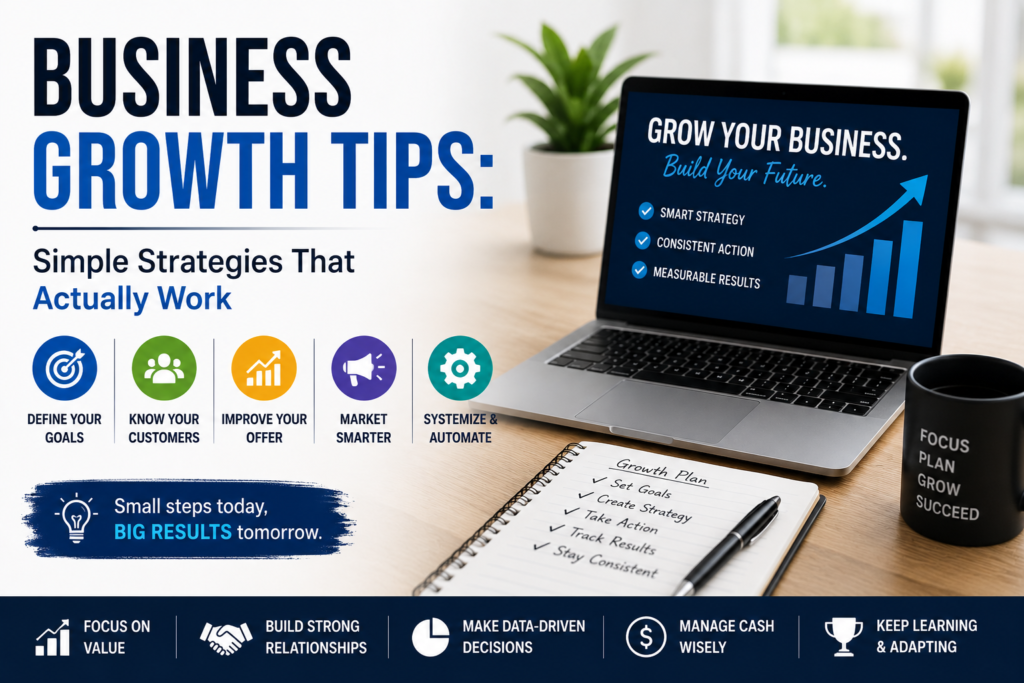
Business Growth Tips: Simple Strategies That Actually Work

Growing a business is something every entrepreneur dreams about. Whether you run a small local shop, an online store, a service-based company, or a startup, growth is often the main goal. However, business growth doesn’t happen overnight. It requires patience, planning, consistency, and a willingness to adapt to changing circumstances. Many business owners focus only on increasing sales, but true growth involves much more than that. It includes improving customer satisfaction, building a strong brand, managing finances wisely, and creating systems that support long-term success. Here are some practical business growth tips that can help any business move forward. Understand Your Customers One of the most important factors in business growth is understanding your customers. Businesses that know what their customers want are more likely to succeed than those that make assumptions. Spend time listening to customer feedback. Read reviews, conduct surveys, and have conversations with your audience. Learn about their needs, preferences, challenges, and expectations. When you understand your customers better, you can offer products and services that truly solve their problems. Customers appreciate businesses that listen to them, and satisfied customers often become loyal customers. Focus on Customer Experience A great product is important, but customer experience can be the difference between success and failure. Think about every interaction a customer has with your business. Is your website easy to use? Do you respond quickly to inquiries? Is your customer support helpful and professional? People remember how a business makes them feel. Positive experiences encourage repeat purchases and referrals. Even small improvements in customer service can have a significant impact on growth over time. Build a Strong Online Presence In today’s digital world, having an online presence is almost essential. Customers often research businesses online before making purchasing decisions. 1 Maintain active social media profiles, keep your website updated, and share useful content that helps your audience. You don’t need to be on every platform. Instead, focus on the platforms where your target customers spend the most time. A professional online presence builds trust and helps potential customers learn more about your business. Invest in Marketing Many businesses struggle because people simply don’t know they exist. Effective marketing helps attract new customers and keeps your brand visible. Marketing doesn’t always require a huge budget. Social media marketing, email campaigns, referral programs, partnerships, and content creation can all be effective ways to reach your audience. Consistency matters more than occasional large campaigns. Regular communication with your audience keeps your business top of mind. Track Your Numbers Successful business owners pay close attention to their numbers. Revenue, expenses, profit margins, customer acquisition costs, and customer retention rates provide valuable insights into business performance. By monitoring key metrics, you can identify what’s working and what needs improvement. Data-driven decisions are usually more effective than decisions based on assumptions. Understanding your financial situation also helps you prepare for challenges and opportunities. Improve Your Products and Services Customer needs change over time. Competitors introduce new ideas. Technology evolves. Businesses that continue improving their products and services are more likely to stay competitive. Regularly review your offerings and look for ways to add value. Ask yourself: Can the product be improved? Can the service be delivered faster? Can the customer experience be enhanced? Are there additional features customers would appreciate? Small improvements made consistently can lead to significant growth. 2 Build a Reliable Team No business can grow without people. As your business expands, having the right team becomes increasingly important. Hire individuals who share your values and are committed to delivering quality work. Provide training, support, and opportunities for development. A motivated team often leads to better customer service, increased productivity, and stronger business performance. Good employees are not just workers; they become valuable contributors to your business growth. Develop Clear Goals Businesses grow more effectively when they have clear goals. Without direction, it’s easy to become distracted by daily tasks and lose sight of long-term objectives. Set specific goals for revenue, customer growth, product development, and operational improvements. Break larger goals into smaller milestones that can be measured and tracked. Regularly review progress and make adjustments when necessary. Clear goals help keep everyone focused on what matters most. Strengthen Customer Relationships Acquiring new customers is important, but retaining existing customers is often more cost-effective. Stay connected with your customers after the sale. Follow up, ask for feedback, and offer ongoing support. Loyal customers are more likely to make repeat purchases and recommend your business to others. Wordof-mouth referrals remain one of the most powerful forms of marketing. Building strong relationships creates trust, and trust drives long-term growth. Adapt to Change The business environment is constantly changing. Consumer preferences, market conditions, technology, and competition can all shift unexpectedly. Businesses that adapt quickly are usually more successful than those that resist change. Stay informed about industry trends and be willing to experiment with new ideas. Not every change will lead to success, but a willingness to learn and adapt helps businesses remain relevant. 3 Flexibility is often a key advantage in today’s competitive marketplace. Manage Cash Flow Carefully Many profitable businesses struggle because of poor cash flow management. Monitor incoming and outgoing cash regularly. Avoid unnecessary expenses and maintain a financial cushion for unexpected situations. Good cash flow management provides stability and allows businesses to invest in growth opportunities when they arise. Financial discipline is one of the foundations of sustainable business growth. Network and Build Partnerships Business growth often comes from relationships. Networking can lead to new customers, partnerships, collaborations, and valuable advice. Attend industry events, join professional groups, and connect with other business owners. Look for opportunities where both parties can benefit. Strong partnerships can help businesses reach new audiences and create additional growth opportunities. Never Stop Learning The most successful business owners are lifelong learners. Markets change, technologies evolve, and customer expectations continue to rise. Read books, attend workshops, listen to podcasts, and learn from experienced entrepreneurs. Every new skill or insight can contribute to better decision-making and business performance.

Uncategorized

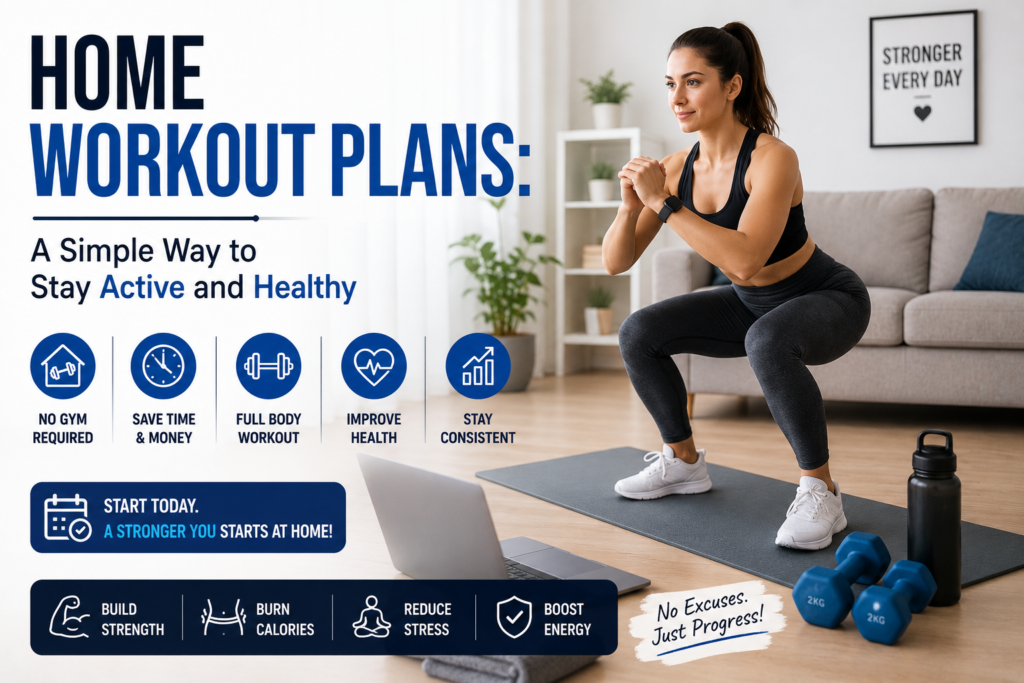
Home Workout Plans: A Simple Way to Stay Active and Healthy

Many people believe that getting fit requires an expensive gym membership, fancy equipment, or hours of free time. In reality, some of the most effective fitness routines can be done right at home. Home workouts have become increasingly popular because they are convenient, affordable, and flexible. Whether you are a beginner looking to improve your health or someone trying to maintain fitness despite a busy schedule, a well-structured home workout plan can help you achieve your goals. One of the biggest advantages of working out at home is convenience. There is no need to travel to a gym, wait for equipment, or adjust your schedule around operating hours. You can exercise whenever it suits you, whether it’s early in the morning, during a lunch break, or in the evening after work. This flexibility makes it easier to stay consistent, which is one of the most important factors in achieving long-term fitness results. Before starting any workout plan, it is important to understand your fitness goals. Some people want to lose weight, while others want to build muscle, improve endurance, or simply stay active. Your goal will influence the type of exercises you choose and how often you work out. However, a balanced home workout routine should generally include cardiovascular exercise, strength training, and flexibility work. For beginners, starting with simple bodyweight exercises is often the best approach. These exercises use your own body as resistance and require little to no equipment. Squats, push-ups, lunges, planks, and jumping jacks are excellent examples. They target multiple muscle groups and help develop strength, balance, and coordination. A basic beginner workout plan might look like this: Monday: Full-body workout 10 squats 10 push-ups 20 jumping jacks 20-second plank Repeat three times Tuesday: Light activity 20-minute walk Stretching exercises Wednesday: Full-body workout 12 lunges per leg 15 squats 1 10 push-ups 30-second plank Repeat three times Thursday: Rest or gentle stretching Friday: Full-body workout 20 jumping jacks 15 squats 12 lunges per leg 30-second plank Repeat three times Saturday: Light cardio such as walking, jogging, or dancing Sunday: Rest and recovery As fitness improves, workouts can become more challenging. Increasing repetitions, adding extra sets, reducing rest periods, or incorporating simple equipment such as resistance bands or dumbbells can help continue progress. The key is gradual improvement rather than trying to do too much too soon. For those focused on weight loss, combining strength training with cardio is particularly effective. Cardio exercises help burn calories, while strength training builds muscle, which can increase the body’s calorieburning potential over time. Activities such as high knees, mountain climbers, burpees, and jump squats can elevate the heart rate and provide an intense workout without requiring much space. A sample fat-loss workout might include: 30 seconds jumping jacks 30 seconds mountain climbers 30 seconds high knees 30 seconds bodyweight squats 30 seconds rest Repeat this circuit four to six times depending on your fitness level. Individuals interested in muscle building can also achieve impressive results at home. While heavy gym equipment can be beneficial, bodyweight exercises remain highly effective. Push-ups work the chest, shoulders, and triceps. Squats and lunges target the legs and glutes. Planks strengthen the core. As exercises become easier, variations can increase difficulty and continue stimulating muscle growth. Recovery is another important part of any workout plan. Many people focus solely on exercise and overlook rest. Muscles grow and repair during recovery periods, not during the workout itself. Adequate sleep, proper nutrition, and rest days all contribute to better performance and reduced risk of injury. 2 Nutrition plays a major role in supporting fitness goals. No workout plan can compensate for poor eating habits. A balanced diet containing lean proteins, fruits, vegetables, whole grains, and healthy fats provides the energy and nutrients needed for exercise and recovery. Staying hydrated throughout the day is equally important. Drinking enough water supports muscle function, energy levels, and overall health. Motivation can sometimes be challenging when working out at home. Without the environment of a gym or the presence of trainers and workout partners, it is easy to skip sessions. Creating a dedicated workout space, setting realistic goals, and maintaining a consistent schedule can help build discipline. Tracking progress through a journal, photos, or fitness apps can also provide encouragement by showing how far you have come. One common misconception is that home workouts are less effective than gym workouts. The truth is that effectiveness depends more on consistency, effort, and proper planning than location. Many athletes and fitness enthusiasts regularly incorporate home workouts into their training routines. What matters most is finding exercises you enjoy and can perform regularly. Another benefit of home workouts is privacy. Some people feel uncomfortable exercising in front of others, especially when they are just starting their fitness journey. Exercising at home allows individuals to focus on their progress without worrying about comparisons or judgment. As fitness becomes a lifestyle rather than a temporary goal, home workouts can provide a sustainable way to stay healthy. They eliminate many common barriers such as travel time, membership fees, and crowded facilities. With dedication and consistency, home exercise routines can improve strength, endurance, flexibility, and overall well-being. In the end, the best workout plan is one that fits your lifestyle and keeps you moving regularly. Whether you have ten minutes or an hour each day, making time for physical activity can have a significant impact on your health. Home workouts prove that you do not need a gym to become stronger, healthier, and more confident. All you need is commitment, patience, and the willingness to take the first step.  

Uncategorized

Weight Loss Tips: Simple Changes That Make a Big Difference

Losing weight is a goal that many people have at some point in their lives. Whether it is for better health, increased confidence, or improved fitness, the journey can often feel challenging. With so much information available online, it is easy to become confused about what actually works. The truth is that successful weight loss does not require extreme diets or complicated workout plans. Small, consistent changes can lead to long-lasting results. One of the most important things to understand about weight loss is that it takes time. Many people expect rapid results and become discouraged when they do not see immediate changes. Healthy weight loss is usually gradual. Developing sustainable habits is far more effective than following strict diets that are difficult to maintain. A good starting point is paying attention to what you eat. This does not mean starving yourself or eliminating all your favorite foods. Instead, focus on making healthier choices most of the time. Include more fruits, vegetables, whole grains, and lean proteins in your meals. These foods are often more filling and provide essential nutrients that support overall health. Portion control also plays a significant role in weight management. Even healthy foods can contribute to weight gain if consumed in large quantities. Learning to recognize appropriate portion sizes can help you avoid overeating. Using smaller plates, eating slowly, and paying attention to hunger signals are simple ways to manage portions without feeling deprived. Drinking enough water is another helpful habit. Sometimes the body confuses thirst with hunger, leading people to eat when they are actually dehydrated. Drinking water throughout the day can support digestion, improve energy levels, and help control appetite. Replacing sugary drinks with water can also reduce unnecessary calorie intake. Physical activity is an essential part of a healthy lifestyle. You do not need to spend hours in the gym to lose weight. Activities such as walking, cycling, swimming, or dancing can be highly effective. The key is finding something you enjoy so that exercise becomes a regular part of your routine rather than a chore. Strength training is often overlooked in weight loss plans. While cardio exercises burn calories, strength training helps build muscle. Muscle tissue burns more calories than fat tissue, even when your body is at rest. Incorporating resistance exercises a few times per week can support long-term weight management and improve overall body composition. Sleep is another factor that people often underestimate. Poor sleep can affect hormones that regulate hunger and appetite. When you are tired, you may be more likely to crave high-calorie foods and have less motivation to exercise. Prioritizing quality sleep can support both physical and mental well-being while making weight loss efforts more effective. 1 Stress management is equally important. Many people turn to food for comfort during stressful situations. Emotional eating can make it difficult to maintain healthy habits. Finding alternative ways to manage stress, such as meditation, reading, spending time outdoors, or talking with friends, can help reduce the urge to eat for emotional reasons. Keeping track of your habits can be beneficial as well. Some people find it helpful to write down what they eat or monitor their physical activity. Tracking progress creates awareness and helps identify patterns that may be slowing down results. It also provides motivation by showing how far you have come. One common mistake is focusing only on the number on the scale. Weight can fluctuate for many reasons, including water retention and muscle gain. Instead of obsessing over daily changes, pay attention to other signs of progress. Improved energy levels, better sleep, increased strength, and clothes fitting more comfortably are all indicators that your efforts are paying off. It is also important to avoid comparing your journey to others. Every person’s body is different, and factors such as age, genetics, lifestyle, and health conditions can influence weight loss. What works for one person may not work exactly the same way for another. Focus on your own progress and celebrate small victories along the way. Meal planning can make healthy eating easier. When you have nutritious meals prepared in advance, you are less likely to rely on fast food or unhealthy snacks. Taking a little time each week to plan meals can reduce stress and help you stay consistent with your goals. Healthy snacking can also support weight loss when done correctly. Choosing options like fruits, nuts, yogurt, or vegetables instead of processed snacks can help satisfy hunger between meals. The goal is to choose foods that provide nutrition and keep you feeling full longer. Consistency is often more important than perfection. Many people give up after having one unhealthy meal or missing a workout. However, a single setback does not determine your overall success. Weight loss is a long-term process, and occasional mistakes are normal. The important thing is getting back on track and continuing to make positive choices. Setting realistic goals can improve motivation and prevent frustration. Instead of aiming for dramatic changes in a short period, focus on achievable milestones. Small goals are easier to maintain and can build confidence as you make progress. Support from family, friends, or a fitness community can also make a difference. Having people who encourage your efforts can provide accountability and motivation during difficult times. Sharing your goals with trusted individuals may help you stay committed. Finally, remember that weight loss is not just about appearance. It is about improving overall health and quality of life. Developing healthier habits can reduce the risk of many health conditions, increase energy levels, and enhance physical and mental well-being. The most effective weight loss strategy is one that fits your lifestyle and can be maintained over time. There is no perfect diet or exercise plan that works for everyone. By focusing on balanced nutrition, regular 2 physical activity, adequate sleep, stress management, and consistency, you can achieve lasting results and build a healthier future for yourself.  

Uncategorized

AI Tools and Updates: How Artificial Intelligence Is Changing Everyday Life

Artificial Intelligence, commonly known as AI, has become one of the most talked-about technologies in recent years. What once seemed like a futuristic concept is now a part of daily life for millions of people. From helping students complete assignments to assisting businesses in making better decisions, AI tools are transforming the way people work, learn, and communicate. The rapid growth of AI has introduced countless tools designed to simplify tasks and improve productivity. Whether someone is a content creator, marketer, programmer, designer, or business owner, there is likely an AI-powered solution available to help them achieve their goals more efficiently. One of the biggest reasons AI tools have gained popularity is their ability to save time. Many tasks that once required hours of effort can now be completed in minutes. For example, writing assistants can generate content, proofread text, and suggest improvements almost instantly. This allows users to focus more on creativity and strategy rather than repetitive work. AI-powered chat assistants have become especially popular. These tools can answer questions, generate ideas, write articles, summarize information, and even assist with coding. People use them for education, research, customer service, and personal productivity. As these systems continue to improve, they are becoming more accurate, conversational, and capable of handling complex requests. Another area where AI is making a significant impact is graphic design. AI image generation tools allow users to create artwork, illustrations, and marketing visuals using simple text descriptions. Someone with little or no design experience can create professional-looking images in a short amount of time. This has opened new opportunities for entrepreneurs, content creators, and small businesses that may not have large design budgets. Video creation has also benefited from AI advancements. Modern AI tools can generate video scripts, edit footage, create subtitles, and even produce realistic voiceovers. Some platforms can transform written content into engaging videos automatically. This helps creators publish content faster while maintaining quality and consistency. In the business world, AI is being used to improve customer experiences and streamline operations. Companies use AI-powered chatbots to answer customer questions around the clock. These virtual assistants can handle common inquiries, process requests, and provide support without requiring human intervention for every interaction. As a result, businesses can serve customers more efficiently while reducing operational costs. Marketing professionals are also taking advantage of AI tools. AI can analyze customer behavior, identify trends, and recommend strategies based on data. It can help create personalized marketing campaigns that target the right audience at the right time. This allows businesses to make more informed decisions and improve their return on investment. 1 The software development industry has seen remarkable changes due to AI. Coding assistants can suggest code, identify errors, and help developers solve programming challenges. These tools are particularly useful for beginners who are learning to code as well as experienced professionals looking to increase productivity. By automating repetitive coding tasks, developers can focus on building innovative solutions. Education is another sector experiencing rapid AI adoption. Students use AI tools for research, learning support, language practice, and problem-solving. Teachers can use AI to create lesson plans, generate quizzes, and provide personalized learning experiences. While AI cannot replace educators, it can serve as a valuable assistant that enhances the learning process. Recent AI updates have focused heavily on improving accuracy and reasoning capabilities. Newer models are better at understanding context, following instructions, and generating more reliable responses. This has increased user confidence and expanded the range of tasks AI can perform effectively. Multimodal AI is one of the most exciting developments in the field. Unlike earlier systems that primarily worked with text, modern AI models can understand and generate content across multiple formats, including text, images, audio, and video. This creates more natural interactions and enables users to complete a variety of tasks within a single platform. Voice technology has also improved significantly. AI voice assistants can now understand natural speech more accurately and respond in a more human-like manner. Businesses are using these capabilities in customer support systems, virtual assistants, and accessibility tools. Improved speech recognition makes technology more accessible to a wider audience. Privacy and security remain important topics in AI development. As AI tools become more powerful, companies are investing in measures to protect user data and ensure responsible usage. Discussions around transparency, ethics, and regulation continue as governments and organizations work to establish guidelines for AI deployment. The workplace is evolving as AI becomes more integrated into daily operations. Rather than replacing humans entirely, AI is often being used to assist workers by handling repetitive tasks and providing valuable insights. This allows employees to focus on creative thinking, problem-solving, and decision-making. Many experts believe the future workforce will involve collaboration between humans and AI systems. Small businesses are finding AI particularly beneficial because it gives them access to capabilities that were once available only to large corporations. Affordable AI tools enable small teams to create content, manage customer relationships, analyze data, and automate workflows without significant investments in technology infrastructure. Looking ahead, AI is expected to continue advancing at a rapid pace. Future updates may bring even more personalized experiences, improved reasoning abilities, enhanced creativity tools, and greater integration with everyday devices. As technology evolves, users will likely discover new ways to incorporate AI into their personal and professional lives. Despite the excitement surrounding AI, it is important to remember that these tools are most effective when used thoughtfully. Human judgment, creativity, and critical thinking remain essential. AI can provide 2 assistance and accelerate processes, but people are ultimately responsible for making decisions and ensuring that technology is used responsibly. AI tools and updates are reshaping the digital landscape in remarkable ways. From content creation and design to education and business operations, artificial intelligence is helping individuals and organizations work smarter. As innovation continues, AI will likely become an even more important part of everyday life, offering new opportunities while also encouraging discussions about responsibility, ethics, and the future of technology.  

Uncategorized

Laptop Budgeting Guide: How to Buy the Right Laptop Without Overspending

Buying a laptop can feel confusing, especially when there are hundreds of models available at different prices. Some laptops cost less than a smartphone, while others can be as expensive as a motorcycle. Because of this huge price range, many people either spend more than they need to or buy a laptop that doesn’t meet their requirements. A good budgeting plan can help you avoid both mistakes. Before looking at brands, specifications, or special offers, it is important to decide how much you are willing to spend and what you expect from the laptop. The first step is understanding your needs. A student who mainly uses a web browser, video calls, and office applications does not need the same laptop as a video editor or software developer. Many buyers get attracted to powerful specifications without considering whether they will actually use them. For basic tasks such as browsing the internet, watching videos, attending online classes, and creating documents, a budget laptop is usually enough. Spending extra money on high-end processors and graphics cards may not provide any real benefit for these activities. If your work involves graphic design, photo editing, programming, or multitasking with many applications, a mid-range laptop is often the best choice. These laptops provide better performance and can remain useful for a longer period. For gamers, video editors, 3D artists, and professionals who run demanding software, investing in a premium laptop can make sense. However, it is important to buy according to your actual workload rather than buying the most expensive model available. A practical budgeting strategy is to divide laptops into three categories. Budget laptops generally fall into the entry-level price range. They focus on essential functions and are suitable for students, casual users, and people who need a secondary computer. While they may not have the fastest performance, they can handle everyday tasks comfortably. Mid-range laptops offer a balance between performance and cost. This category is often considered the sweet spot because it provides good value without reaching premium pricing. Many users find that a midrange laptop meets all their needs for several years. Premium laptops target users who require advanced performance, premium materials, high-resolution displays, and longer battery life. While these devices can be impressive, they are not necessary for everyone. 1 Another important budgeting factor is the processor. The processor acts as the brain of the laptop. Many people focus only on storage size or memory while ignoring processor quality. A well-balanced system often performs better than one with a large storage drive but a weak processor. Memory, commonly known as RAM, also affects performance. For most users, sufficient RAM can improve multitasking and overall responsiveness. Buying a laptop with too little memory may save money initially but can lead to frustration later. Storage is another area where budgeting decisions matter. Solid-state drives have become increasingly common and offer faster performance compared to traditional hard drives. A smaller solid-state drive often provides a better user experience than a larger but slower storage option. Battery life should not be overlooked. A laptop with excellent performance but poor battery life may become inconvenient for students and professionals who work away from power outlets. Sometimes paying a little more for better battery performance can provide greater long-term value. The display is one of the most frequently used parts of a laptop, yet many buyers underestimate its importance. A clear, bright screen can make daily work more comfortable and reduce eye strain. If you spend several hours a day using a laptop, investing in a better display may be worthwhile. Durability also affects overall value. A cheaper laptop that needs replacement after a few years may end up costing more than a slightly more expensive model that lasts much longer. Build quality, keyboard comfort, and reliability are important considerations when planning your budget. One common mistake is spending the entire budget on the laptop itself while forgetting about accessories. You may need a laptop bag, mouse, external storage device, webcam, or software subscriptions. Including these costs in your budget can prevent unexpected expenses later. Students often have limited budgets and should focus on practical value. Features such as portability, battery life, and reliability are usually more important than advanced graphics capabilities. A lightweight laptop can make a significant difference when carried daily between classes. Professionals should consider how the laptop contributes to productivity. If a faster laptop saves time and improves workflow, spending more may be justified. In this case, the purchase can be viewed as an investment rather than simply an expense. Gamers face a different challenge because gaming laptops tend to be expensive. Setting a clear budget before shopping can help avoid being influenced by premium features that exceed actual needs. Focusing on balanced performance often provides a better experience than chasing the highest specifications. Another useful approach is comparing long-term value instead of initial cost. A laptop that remains functional and reliable for five years may offer better value than a cheaper model that struggles after two years. Looking beyond the purchase price can lead to smarter decisions. 2 Sales events and discounts can also help stretch a budget. However, a discount should not be the main reason for purchasing a laptop. A laptop that does not meet your needs is not a good deal, regardless of how much money is saved. Reading reviews from real users can provide valuable insights into performance, reliability, and potential issues. Specifications tell part of the story, but actual user experiences often reveal details that are not obvious from product descriptions. The ideal laptop budget is different for every person. There is no universal amount that works for everyone. The best purchase is one that matches your requirements, fits your financial situation, and provides reliable performance for years to come. In the end, budgeting for a laptop is about balance. You want enough performance to handle your tasks comfortably without paying for features you will never use. By understanding your needs, setting a realistic budget, and focusing

Scroll to Top